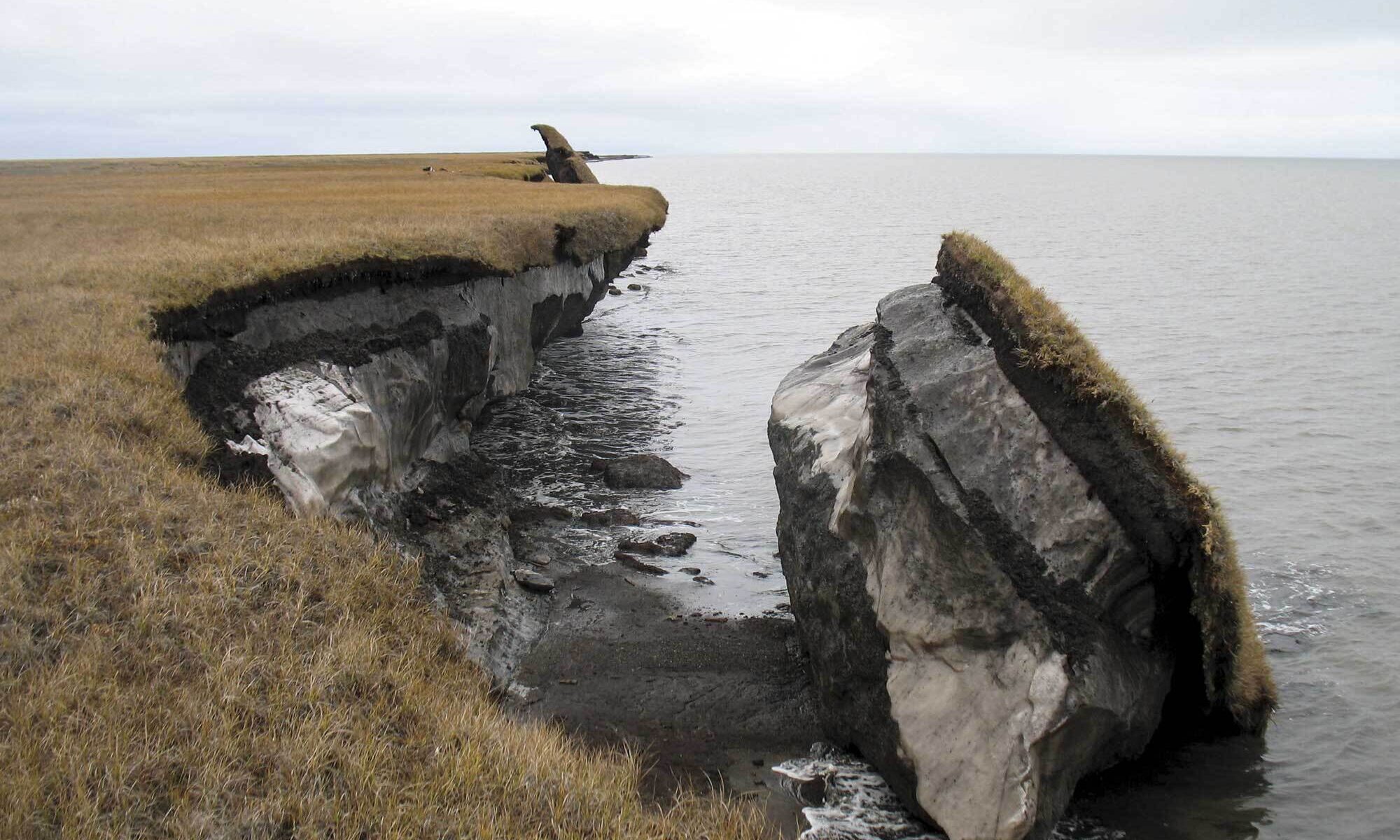
Thawing permafrost is known to be a substantial source of greenhouse gases to our atmosphere, yet scientists may still be underestimating this frozen giant. Permafrost soils store twice the amount of carbon than is currently in the atmosphere, but icy temperatures prevent microbes from converting carbon in the soil to greenhouse gasses. This creates a sort of carbon lockbox in the arctic. However, as climate change warms our planet, this once-frozen carbon threatens to escape to the atmosphere as the potent greenhouse gas, methane. A new study by Dr. Katey Walter Anthony and colleagues changes the paradigm of permafrost science and warns that current models underestimate the amount of methane that permafrost thaw in regions of Alaska and Siberia could release.
Continue reading “Permafrost Paradigm Shift Suggests More Methane Emissions to Come”Hillsides collapsing into Arctic streams can trigger CO2 release to the atmosphere
Featured Image: Permafrost thaw slumps draining into a river on the Peel Plateau in western Canada. Photo courtesy Scott Zolkos, lead author of the paper.
Authors: Zolkos, Scott & Suzanne E. Tank.
The rivers and streams of the Arctic transfer atmospheric heat into the surrounding permafrost (perennially frozen) soil. At the same time, surface soils up to 1 meter deep undergo annual freeze-thaw cycles. When warmer air arrives in the summer months, the combination of warming air and river water can thaw large chunks of ice-rich permafrost soil along the stream’s edge. Thawed permafrost breaks away from the surrounding hillsides and causes catastrophic slope failures, transporting huge amounts of sediment into the nearby waterways. As the stream water becomes murky it takes on the appearance of chocolate milk, and simultaneously, the geochemistry of the water changes.
Continue reading “Hillsides collapsing into Arctic streams can trigger CO2 release to the atmosphere”Unexpected consequence of permafrost thaw: potentially less methane released into the atmosphere
Authors: Clarice R. Perryman, Carmody K. McCalley, Avni Malhotra, M. Florencia Fahnestock, Natalie N. Kashi, Julia G. Bryce, Reiner Giesler, Ruth K. Varner
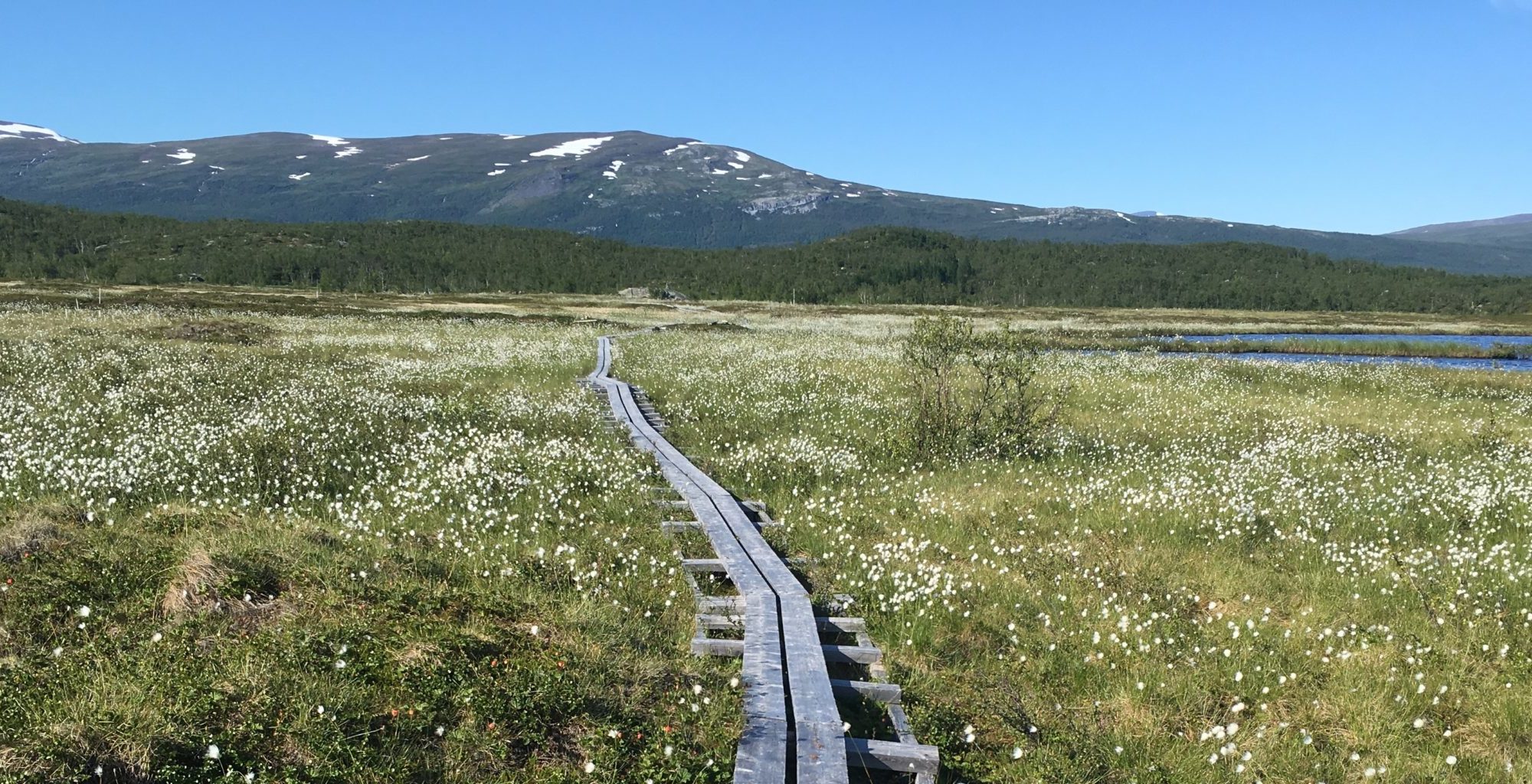
Permafrost is a blanket of soil that is frozen for more than two years and can trap its contents for hundreds to thousands of years. Now that permafrost soil is thawing. This is particularly significant in peatland permafrost because these wetlands sequester high amounts of carbon. As peatland permafrost degrades, methane emissions are expected to increase as the water table rises and provides a suitable environment for methane production by microbes.
Continue reading “Unexpected consequence of permafrost thaw: potentially less methane released into the atmosphere”