Permafrost Paradigm Shift Suggests More Methane Emissions to Come
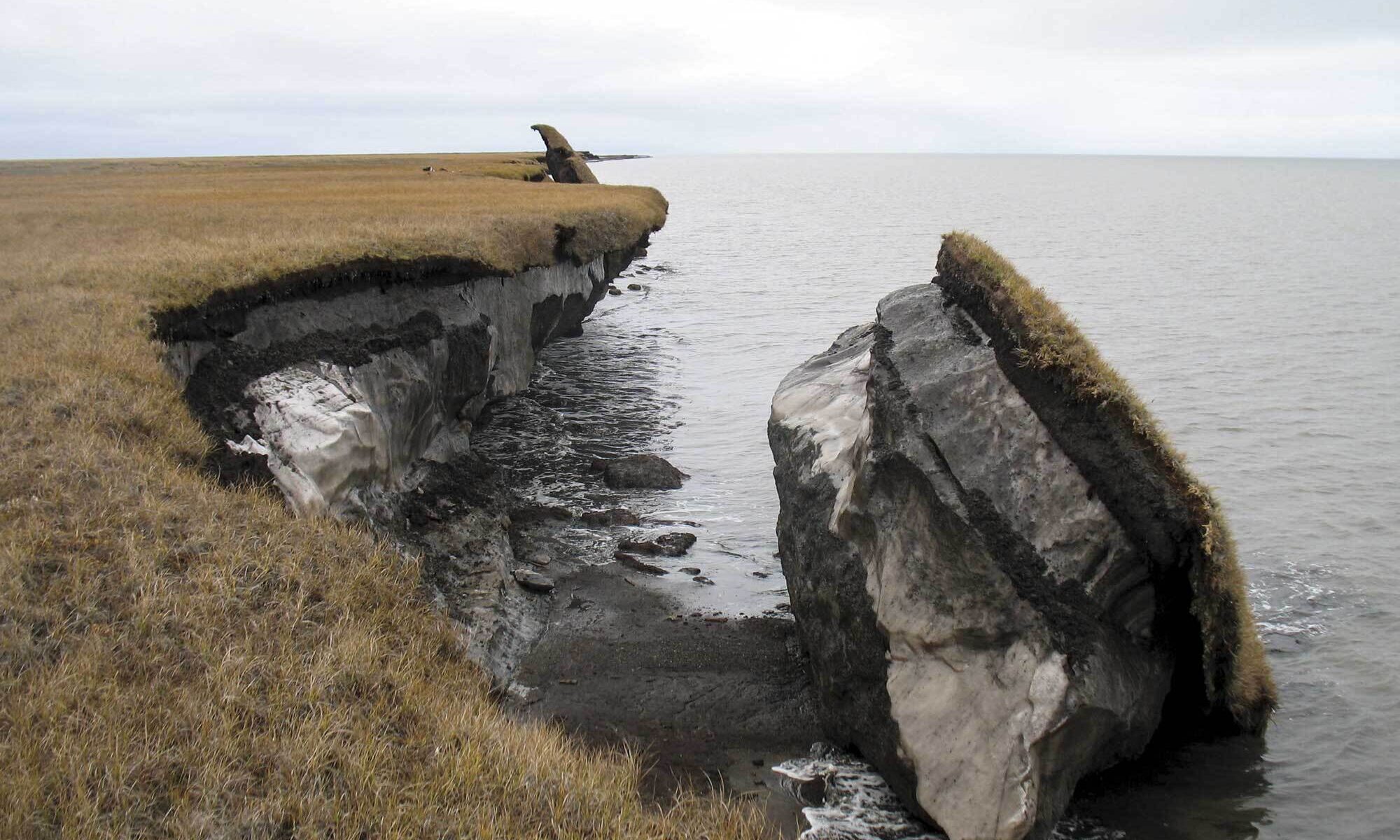
Thawing permafrost is known to be a substantial source of greenhouse gases to our atmosphere, yet scientists may still be underestimating this frozen giant. Permafrost soils store twice the amount of carbon than is currently in the atmosphere, but icy temperatures prevent microbes from converting carbon in the soil to greenhouse gasses. This creates a sort of carbon lockbox in the arctic. However, as climate change warms our planet, this once-frozen carbon threatens to escape to the atmosphere as the potent greenhouse gas, methane. A new study by Dr. Katey Walter Anthony and colleagues changes the paradigm of permafrost science and warns that current models underestimate the amount of methane that permafrost thaw in regions of Alaska and Siberia could release.

Continue reading “Permafrost Paradigm Shift Suggests More Methane Emissions to Come”

We may find deep-sea microbes resting in tombs they built themselves

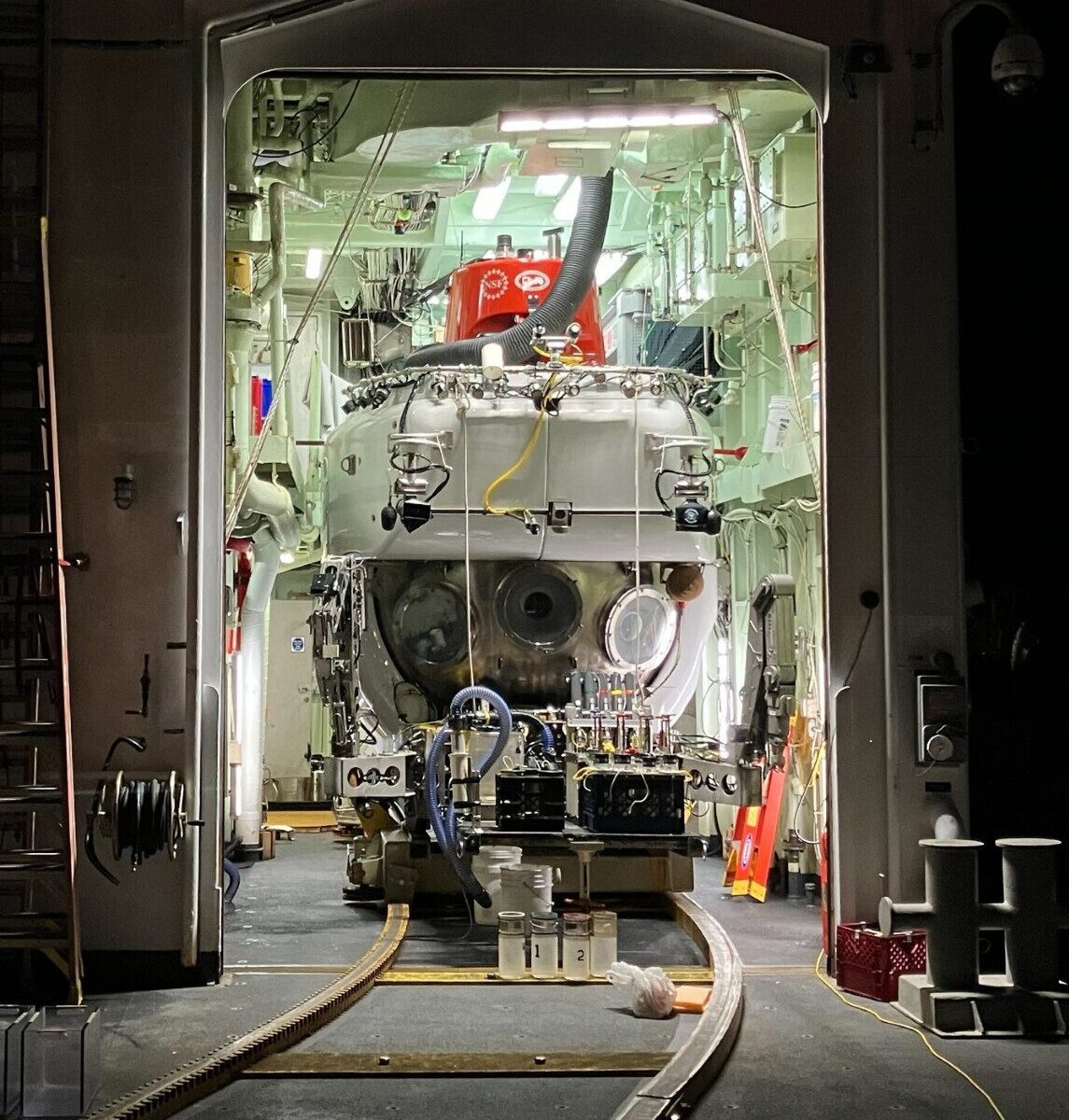
Featured Image: Alvin – a submersible Human Occupancy Vehicle (HOV) designed to allow data collection at depths up to 6,500 m below the ocean surface. Featured image courtesy of John Magyar, Caltech.

Paper: Microbially induced precipitation of silica by anaerobic methane-oxidizing consortia and implications for microbial fossil preservation

Authors: Daniela Osorio-Rodriguez, Kyle S. Metcalfe, Shawn E. McGlynn, Hang Yu, Anne E. Dekas, Mark Ellisman, Tom Deerinck, Ludmilla Aristilde, John P. Grotzinger, and Victoria J. Orphan

Maybe one weekend in your life, you found yourself piling into an SUV at 6 AM with seven other students, intermittently registering the drone of an overenthusiastic geology professor whose course you took to fulfill a degree requirement. If so, in that vehicle, the proclamation that “the present is the key to the past” was certainly uttered. A recent study conducted by Daniela Osorio-Rodriguez and collaborators epitomizes the power of those words.

Continue reading “We may find deep-sea microbes resting in tombs they built themselves”

A New Role for Nitrogen Fixers in Oceanic Carbon Sequestration

Paper: Diazotrophs are overlooked contributors to carbon and nitrogen export to the deep ocean

Authors: Sophie Bonnet, Mar Benavides, Frédéric A. C. Le Moigne, Mercedes Camps, Antoine Torremocha, Olivier Grosso, Céline Dimier, Dina Spungin, Ilana Berman-Frank, Laurence Garczarek, and Francisco M. Cornejo-Castillo

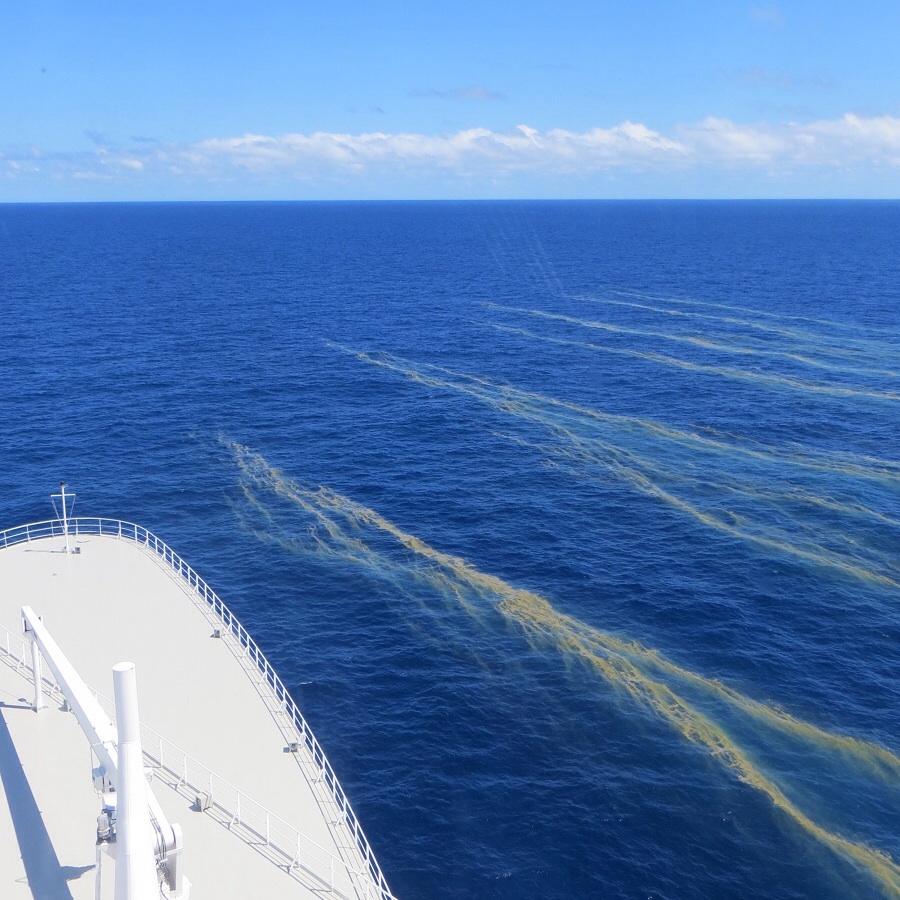
You swell up and down with each salty wave, until suddenly, the thought of lunch triggers a pang of hunger. A ray of sunshine stifles the starvation, and you take a satiating bite of carbon dioxide with a side of nitrogen. As a nitrogen-fixing, photosynthetic bacterium you use energy from sunlight to convert nitrogen gas to necessary nutrients for yourself and your neighbors.

Continue reading “A New Role for Nitrogen Fixers in Oceanic Carbon Sequestration”

Unlocking Magma’s Mysteries

Understanding magma’s behavior may predict eruptions and reveal historic landscapes

By: Ellen Beshuk

Sometimes magma calmly flows; other times, it explodes. Ph.D. candidate Ivana Torres-Ewert is figuring out why with her magma-making machine at the University of Missouri-Kansas City (UMKC). Her discoveries could help people know where to go when a volcano explodes and provide a foundation for further volcanic research.

Continue reading “Unlocking Magma’s Mysteries”

Impacts of global warming on soil carbon storage, biodiversity, and crop yields

Image credit: Public Domain (Pexels)

Paper: Soil organic carbon loss decreases biodiversity but stimulates multitrophic interactions that promote belowground metabolism.

Authors: Ye Li, Zengming Chen, Cameron Wagg, Michael J. Castellano, Nan Zhang, Weixin Ding.

Few issues are as pressing and relevant for the future of our own species as climate change. We may think first about glaciers and polar bears when we consider its devastating impacts. However, new research brings our attention to much smaller organisms, microbes, as major players in stabilizing soils and preventing agriculture from collapsing under global warming.

Continue reading “Impacts of global warming on soil carbon storage, biodiversity, and crop yields”

New support for the origin of life in alkaline hydrothermal vents

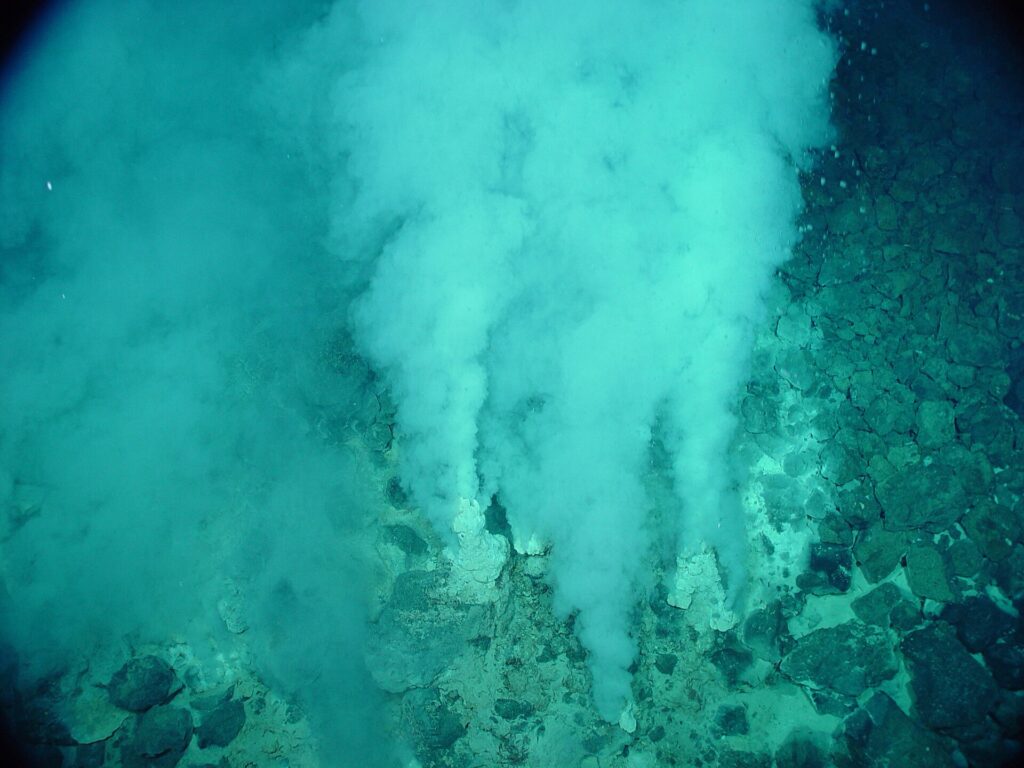
Featured image: White flocculent mats in and around the extremely gassy, high-temperature (>100°C, 212°F) white smokers at Champagne Vent. Copyright: CC BY-SA 4.0 via. wikimedia commons.

Paper: White and green rust chimneys accumulate RNA in a ferruginous chemical garden

Authors: Vanessa Helmbrecht, Maximilian Weingart, Frieder Klein, Dieter Braun, William D. Orsi

When we think of alien worlds, we may evoke an image of vast oceans with tall scattered vertical structures, like columns or towers. By looking at pictures of alkaline hydrothermal vents, you will realize that such alien worlds do not just exist in science fiction movies. Alkaline hydrothermal vents are deep ocean environments widespread on Earth more than 4 billion years ago, in which light globular and spiky chimneys rise from the dark ocean floor. They offer a combination of chemical conditions that may have supported the first forms of life on Earth. However, alkaline hydrothermal vents have been considered inhospitable for the formation of nucleic acids, the information-storage molecules present in all living cells. A new paper from researchers at LMU Munich challenges this assumption by providing critical evidence for the stabilization of nucleic acids in alkaline hydrothermal vents, a discovery that would make these environments the most suitable candidates for the origin of life on Earth.

Continue reading “New support for the origin of life in alkaline hydrothermal vents”

Making Mountains Out of Molehills? Long-Term Geomorphic Surface Impacts of Mountaintop Removal Mining

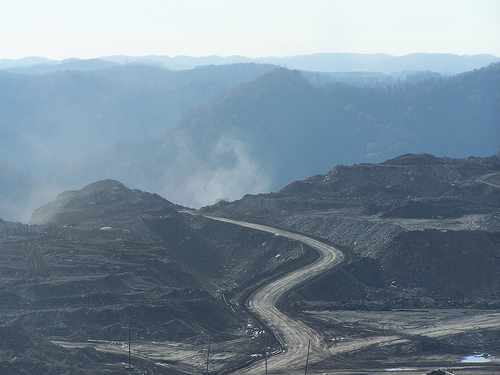
Featured Image:  Mountaintop removal mining site in Appalachia. Copyright: CC BY-SA 4.0 via. wikimedia commons.

Report: Peripheral gully and landslide erosion on an extreme anthropogenic landscape produced by mountaintop removal coal mining (2020)

Authors: Miles Reed & Dr. Steve Kite

There’s a general consensus that coal mining is ‘bad’ for the environment, but beyond carbon emissions, what is its visible, physical impact on our surroundings? What lasting damage does mining create on the Earth’s surface? The answer is that it has a tremendous impact; specifically, mining in Appalachia is linked to distorting the natural flow of water on the landscape, which creates ripple (no pun intended) effects on the greater environment. A recent study by Reed and Kite details those effects on Appalachian landscapes, directly linking mountaintop mining to erosion and landslides. Now, as worries about access to safe, clean water being jeopardized by fossil fuel production abound nationwide, exploring the impacts of mountaintop mining on Appalachian freshwater becomes incredibly important with immediate and personal impacts.

Continue reading “Making Mountains Out of Molehills? Long-Term Geomorphic Surface Impacts of Mountaintop Removal Mining”

How Much is War Fuelling the Climate Crisis?

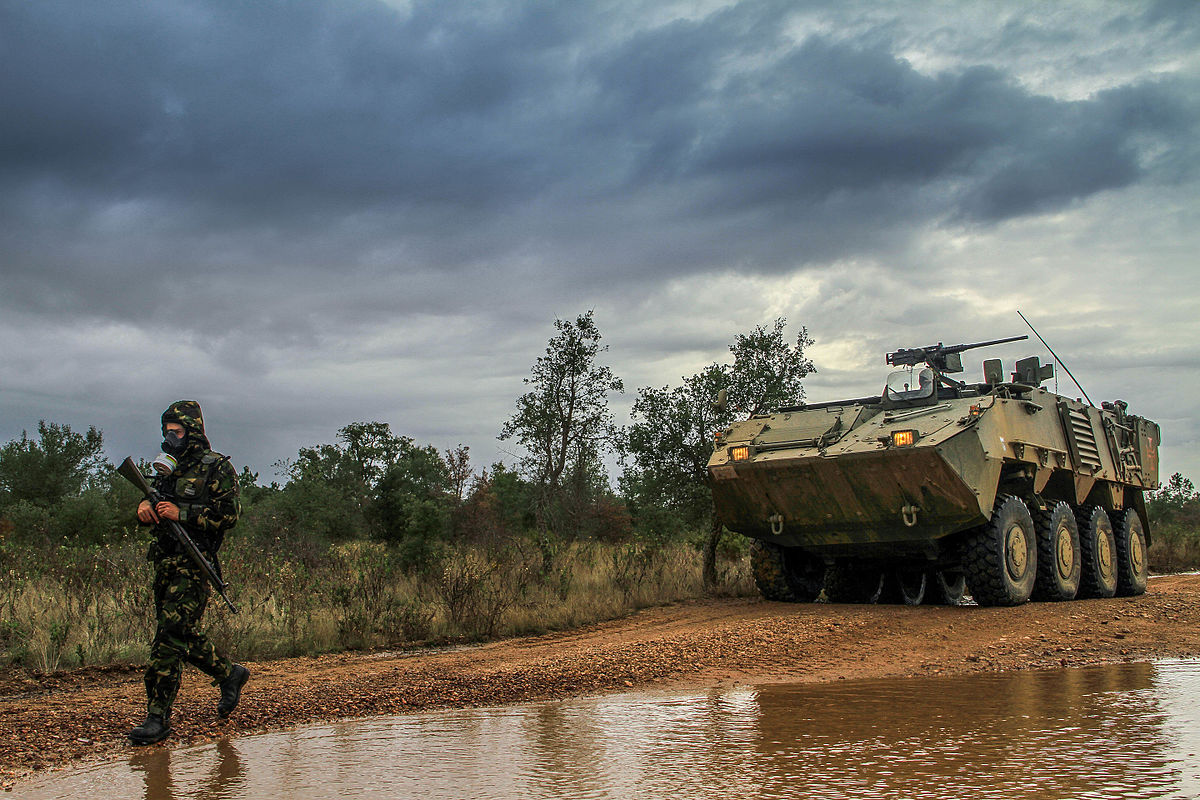
Featured Image: Global militaries are a major contributor to climate change, however, we face many challenges when assessing their environmental footprint. Copyright: CC BY-SA 4.0 via. wikimedia commons.

Report: Estimating the Military’s Global Greenhouse Gas Emissions (2022)

Authors: Dr. Stuart Parkinson & Linsey Cottrell

Organisations: Scientists for Global Responsibility & Conflict and Environment Observatory

War is likely to worsen in the near-future as climate change forces more disasters, political instability, and poverty onto the planet and strains resource supplies. Yet war is not just a product of climate change: it is also a major cause. In addition to the societal devastation it creates, militarism is a major emitter of greenhouse gases and contributor to environmental degradation. Politicking from the worst emitters has ensured that military emissions are shielded from the same type of accountability seen across other sectors such as agriculture, transport, land use, technology, and waste. For example, the latest installment of the IPCC report barely mentioned military emissions despite its immensely detailed analysis of other sectors. A recent report from Stuart Parkinson (Scientists for Global Responsibility) and Linsey Cottrell (Conflict and Environment Observatory) helps correct this oversight and unpacks the impact of war on climate change.

Continue reading “How Much is War Fuelling the Climate Crisis?”

How sediments can save drowning river deltas

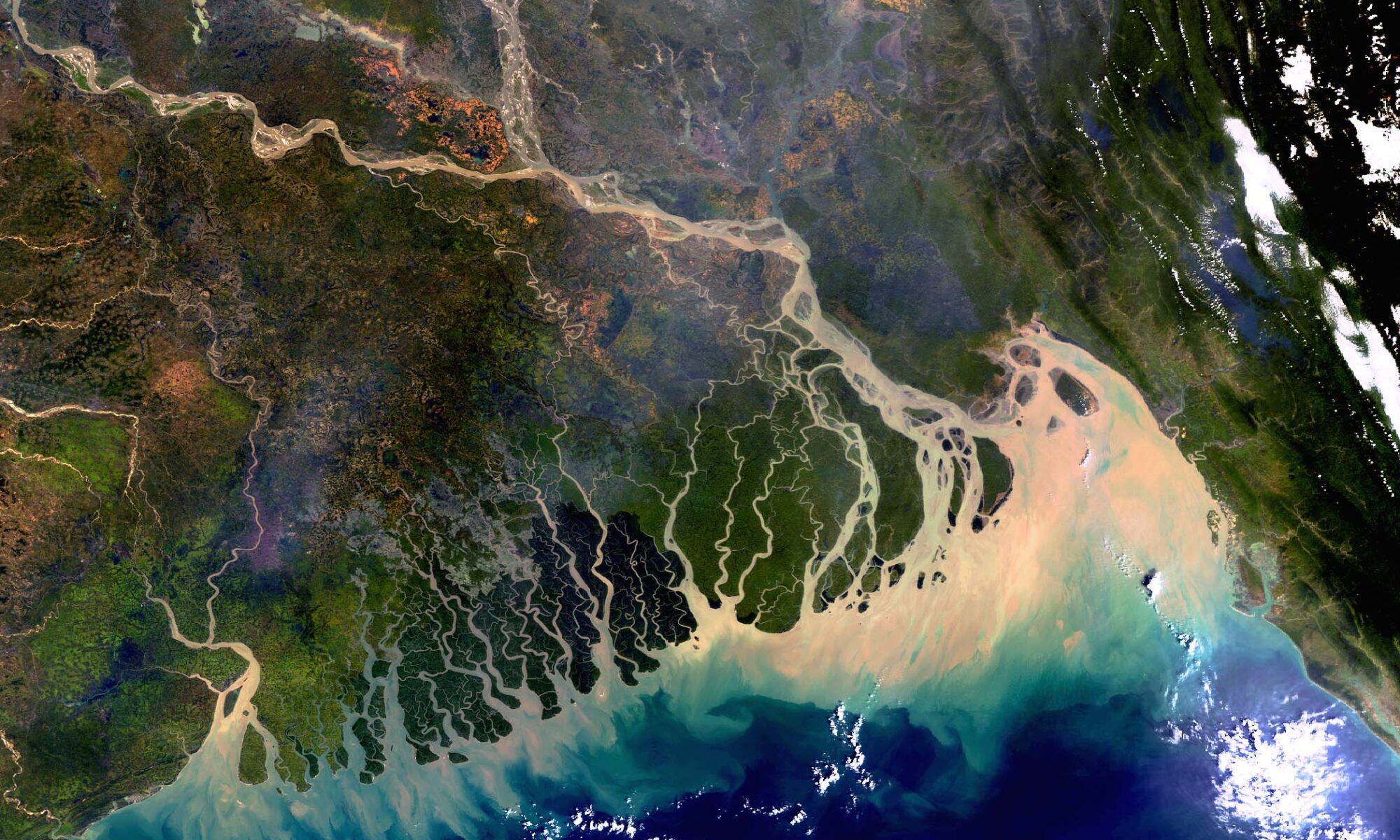
Featured image: A satellite image of the Ganges – Brahmaputra delta along the Bangladesh coastline.captured by the Envisat satellite of the European Space Agency (ESA). The image also shows sediment plumes in the coastal area. (Image credit: ESA CC BY-SA 3.0 IGO)

Paper: Sediment delivery to sustain the Ganges- Brahmaputra delta under climate change and anthropogenic impacts

Authors: Jessica L. Raff, Steven L. Goodbred Jr., Jennifer L. Pickering, Ryan S. Sincavage, John C. Ayers, Md. Saddam Hossain, Carol A. Wilson, Chris Paola, Michael S. Steckler, Dhiman R. Mondal, Jean-Louis Grimaud, Celine Jo Grall, Kimberly G. Rogers, Kazi Matin Ahmed, Syed Humayun Akhter, Brandee N. Carlson, Elizabeth L. Chamberlain, Meagan Dejter, Jonathan M. Gilligan, Richard P. Hale, Mahfuzur R. Khan, Md. Golam Muktadir, Md. Munsur Rahman, Lauren A. Williams

The Ganges – Brahmaputra delta is the largest river delta in the world, covering an area of 1,00,000 sq. km. About two-thirds of the delta lies in Bangladesh, and the rest in the Indian state of West Bengal. Today, sea level rise due to climate change poses a massive challenge to the delta region which more than 200 million people call home!

Continue reading “How sediments can save drowning river deltas”

Biomolecules on icy worlds

Featuring image: Artists impression of Hayabusa2 approaching Ryugu. Image credit: NASA/JPL, Public Domain (CC0)

Paper: Uracil in the carbonaceous asteroid (162173) Ryugu

Authors: Y. Oba, T. Koga, Y. Takano, N. O. Ogawa, N. Ohkouchi, K. Sasaki, H. Sato, D. P. Glavin, J. P. Dworkin, H. Naraoka, S. Tachibana, H. Yurimoto, T. Nakamura, T. Noguchi, R. Okazaki, H. Yabuta, K. Sakamoto, T. Yada, M. Nishimura, A. Nakato, A. Miyazaki, K. Yogata, M. Abe, T. Okada, T. Usui, M. Yoshikawa, T. Saiki, S. Tanaka, F. Terui, S. Nakazawa, S. Watanabe, Y. Tsuda and Hayabusa2-initial-analysis SOM team

Bringing a space probe to an asteroid is hard. Bringing back a piece of that asteroid to Earth is even harder. Nevertheless, Hayabusa2 successfully brought back samples from the asteroid Ryugu and gives us valuable insight on the abundance of biomolecules in our solar system.

What the Japanese space agency JAXA accomplished is extraordinary. After the successful sample return mission of Hayabusa from asteroid 25143 Itokawa in 2010, the successor mission again was able to bring us back precious, pristine asteroid material, including gas samples. In contrast to Itokawa, the new target Ryugu represents a much more pristine asteroid, chemically connected to a class of meteorites called carbonaceous chondrites. Researchers already detected the very building blocks of life, like amino acids and nucleobases, in these meteorites. The careful analysis of the Hayabusa2 samples revealed that one of the nucleobases, uracil, is also present in Ryugu.

Continue reading “Biomolecules on icy worlds”